


The Blue-Collar Culture Clash: Merging Teams After an Acquisition
Posted by Bridge Business Brokers on 1st Jun 2026
 Acquiring a contractor business looks clean on paper. You review the financials, assess the fleet, check the client list, and shake hands. But post-acquisition integration in the trades is where things get genuinely complicated, and where deals quietly start to unravel. The shop floor has its own rules, its own personalities, and its own unspoken version of how things are done. Whether you're merging contractor businesses across two HVAC operations, two roofing companies, or two maintenance contractors, the hardest work starts after the ink dries. If you're thinking about buying or selling a trades business in Alberta, connect with Bridge Business Brokers to get expert guidance before you get to the table.
Why Blue-Collar M&A is Fundamentally Different
White-collar mergers tend to focus on software integrations, org charts, and overlapping departments. Blue-collar M&A is a different animal entirely. You're dealing with real people, physical equipment, and deeply ingrained habits that have been built up over years of field work. The culture of a trades company lives in the crew, not in the documentation. When two crews come together, you're not just combining resources. You're colliding two entirely different ways of thinking about workmanship, client relationships, and what it means to do the job right.
Post-acquisition integration in the trades requires a much more hands-on approach than most buyers anticipate going in. There's no clean spreadsheet for this part. The friction shows up on job sites, in morning meetings, and in the parking lot before the day starts.
The Hidden Cost of Losing Key Technicians Post-Sale
Skilled tradespeople are not easy to replace. When a business changes hands, the technicians and foremen who carry institutional knowledge often feel uncertain and start quietly looking elsewhere. A seasoned electrician or journeyman plumber might walk because they don't like the new owner's management style, because they feel their seniority isn't being respected, or simply because change makes people nervous.
The real cost isn't just the salary gap while you recruit. It's lost client relationships, project delays, and the compounding effect of reduced crew morale. One of the most underestimated challenges when merging contractor businesses is retaining the people who actually know how things work. That knowledge doesn't show up on a balance sheet, but losing it will absolutely show up on your bottom line.
Reconciling Different Standard Operating Procedures (SOPs) in the Field
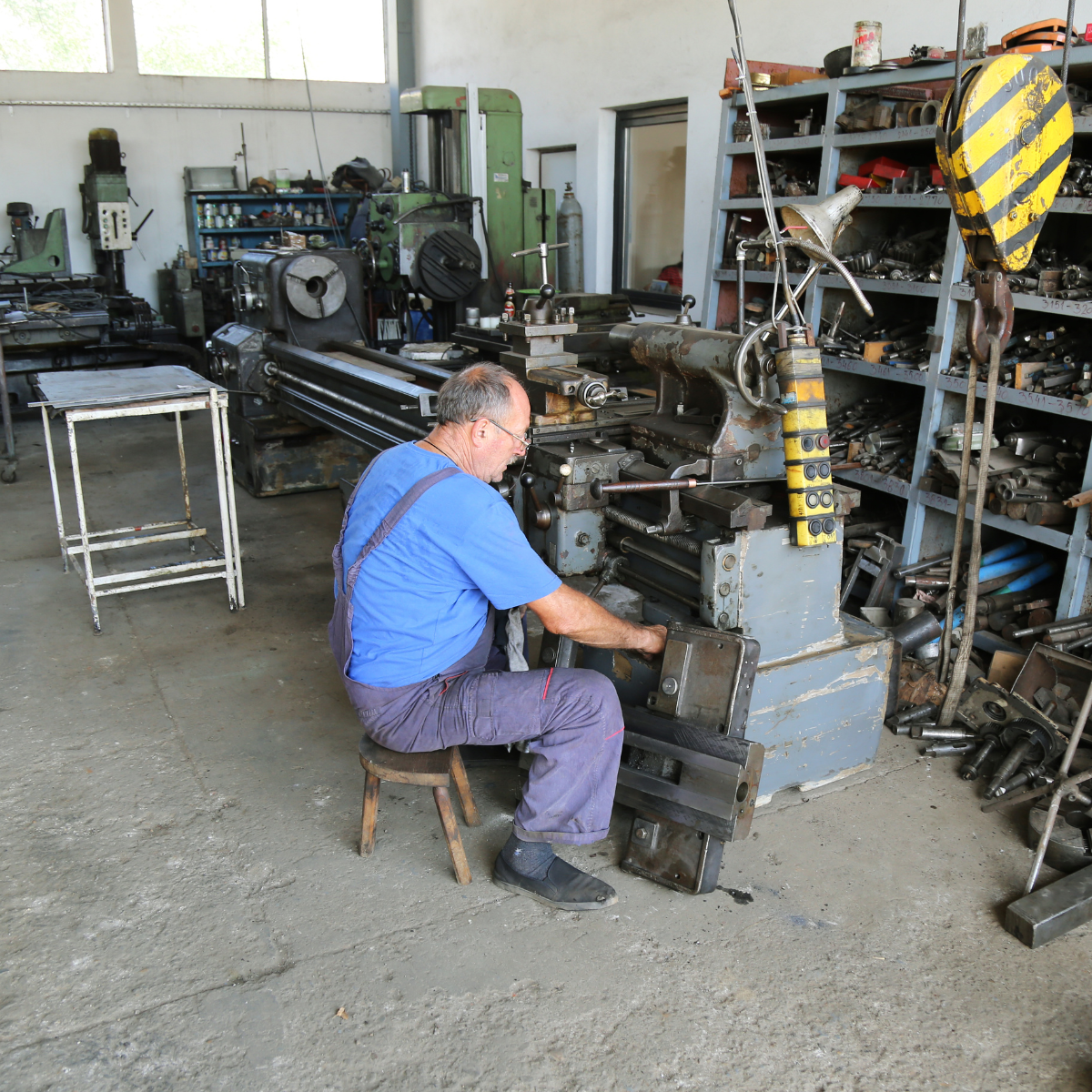
Every trades company develops its own SOPs over time, covering everything from how to prepare a job site and document work orders to how to handle a safety incident on short notice. When you're merging contractor businesses, you'll almost certainly discover that the two operations did the same things in very different ways. Some of those differences are harmless. Others carry real safety or liability implications.
The goal isn't to immediately force one company's processes onto the other. It's to evaluate both honestly and build a combined SOP that takes the best of what each team brought forward. That takes time, some goodwill, and a genuine willingness to admit that the acquiring company doesn't always have everything figured out either. The crews will notice that humility, and it matters more than most buyers expect.
Navigating Ego, Seniority, and Master Tradespeople

This is the part most acquisition guides skip right over. Tradespeople, particularly master tradespeople who have spent decades honing their craft, don't always respond well to being told how things are done now. A Red Seal welder or a master electrician has a deep professional identity tied to their work. They've earned their standing on the crew. If post-acquisition integration in the trades is handled carelessly, the people most likely to push back hardest are often the most valuable ones in the shop.
The key is to involve senior tradespeople early in the process. Ask for their input on process changes. Let them help shape what the merged operation actually looks like on the ground. When people feel heard and respected, they're far less likely to dig in their heels or quietly start looking at the competition's job postings.
Bridging the Gap: Integrating Two Distinct Shop-Floor Cultures

Shop-floor culture is the combination of all the small, informal things that add up to how a team functions day to day. It's how disputes get settled, how new crew members are brought in, and what the general atmosphere feels like at the start of a shift. When merging contractor businesses, these unwritten norms collide. Neither crew is wrong. They're just different, and that difference creates friction until something replaces it.
The most effective approach is to create shared experiences as early as possible. A combined safety training session, a joint job site, or even a team lunch that doesn't feel forced can go a long way. Post-acquisition integration in the trades moves faster when people have a reason to see their new colleagues as teammates rather than a rival crew who showed up to complicate things.
Building a Transition Plan that Keeps the Work Moving

At the end of the day, a trades business only makes money when the work gets done. Every day lost to integration friction is revenue that doesn't get captured. A solid transition plan for merging contractor businesses builds in dedicated time for the people side of things without letting it grind operations to a halt. That means clear communication about timelines, honest conversations about job security, and a point person for integration issues who isn't simultaneously trying to run the whole operation.
The companies that handle this well treat post-acquisition integration in the trades as a project with its own milestones and accountability, not as an afterthought that will sort itself out. They plan for the soft stuff with the same rigour they bring to scheduling and job costing. That discipline is what keeps crews productive and clients satisfied while the two organizations find their footing together.
If you're considering acquiring a contractor business in Alberta, or you're thinking about selling yours and want to make sure the transition is set up for success, the details matter far beyond the deal itself. Bridge Business Brokers works with buyers and sellers across a wide range of trades and service businesses and understands what it actually takes to see a transaction through from listing to handoff. Reach out to Bridge Business Brokers today to start the conversation.