


Due Diligence for HVAC and Mechanical Businesses: Service Contracts, Warranty Exposure & Seasonality
Posted by Bridge Business Brokers on 1st Feb 2026

Buying an HVAC or mechanical services company isn’t just about reviewing revenue. It’s about understanding how service agreements, warranty exposure, and seasonality shape the day-to-day operations and long-term profitability of the business. These are technical, customer-driven businesses that rely on timing, efficiency, and strong recurring relationships. Skipping over proper due diligence can lead to missed risks and unexpected costs after the deal closes.
Bridge Business Brokers’ established HVAC and mechanical services company for sale in Edmonton is a great real-world example of the kind of operation where due diligence plays a critical role. If you're considering entering this sector, get in touch with our team to see how we can support your purchase from start to finish.
Why Due Diligence Matters When Buying an HVAC Business in Edmonton
The Complexities of the HVAC and Mechanical Industry
From boilers and rooftop units to emergency repairs and scheduled maintenance, HVAC businesses handle a wide range of technical services. With that comes unique risks: incomplete service logs, unclear warranty terms, or overstated contract revenue can all affect a business’s true value. The operational complexity also means buyers need to fully understand staffing, certifications, equipment condition, and job backlog before moving forward.
Edmonton’s Seasonal Market Impact on HVAC Profitability
Edmonton’s climate poses both opportunity and challenge. The cold season drives furnace repair and heating service demand, while the summer months bring a short but intense wave of cooling system calls. These seasonal shifts affect not just cash flow but also staffing and inventory needs. Due diligence helps buyers map out revenue highs and lows to determine how sustainable the business is across a full calendar year.
Evaluating Recurring Service Contracts During Due Diligence

Identifying Long-Term Revenue Streams
Recurring service contracts are a key asset in any HVAC business for sale. These agreements generate consistent cash flow and foster strong customer retention. During due diligence, it’s essential to verify how many of these contracts are in place, what they include (preventative maintenance, repairs, inspections), and how they’re billed.
Reviewing Contract Terms and Client Relationships
Contracts aren’t all created equal. A detailed review should include renewal terms, cancellation clauses, and pricing models. Contracts that automatically renew or include performance incentives tend to be more valuable. It’s also wise to assess the nature of the client relationships—some may be with long-time commercial partners, while others might be newer or less stable.
Assessing Contract Quality in Edmonton’s Competitive HVAC Market
In a competitive market like Edmonton, the strength of recurring service contracts lies not just in volume but in quality. Are the clients local and loyal? Are margins healthy? Are the service expectations clear? Due diligence helps you determine whether these contracts represent sustainable value or if they might fade once ownership changes hands.
Understanding Warranty Exposure and Liabilities

How Warranty Obligations Affect Profit Margins
Warranty work—especially labour-heavy, low-margin tasks—can eat into your bottom line quickly. Some HVAC businesses offer extensive warranties, while others pass these obligations through to equipment manufacturers. Buyers should understand what kinds of warranties the company is responsible for and how those commitments impact future profitability.
Reviewing Past Claims and Manufacturer Agreements
Past warranty claims and the nature of manufacturer agreements can reveal a lot. During due diligence, it’s important to review historical warranty service volume, associated costs, and whether the business is reimbursed through manufacturer programs. This step can help uncover whether warranties are a cost centre or a well-managed part of the operation.
Mitigating Warranty Risk Through Proper Due Diligence
To reduce warranty-related surprises, consider including a warranty audit in your due diligence checklist. In some cases, an escrow fund may be negotiated to cover outstanding obligations, ensuring you’re not left holding the bill for pre-sale work. A business broker can help you assess and structure this appropriately.
Seasonal Cash Flow Considerations in Edmonton’s HVAC Market

Analyzing Revenue Patterns Across Peak and Off-Peak Seasons
The highs and lows of the HVAC calendar are no secret, but they vary widely from business to business. Review at least three years of monthly financials to identify patterns. Are the slow periods consistent? How has the company managed in off-peak months? Do peaks align with known seasonal demands? These answers will help forecast your cash flow needs and staffing requirements post-purchase.
Planning Working Capital and Inventory Around Seasonality
A strong HVAC business has to be ready for both the rush and the slowdown. During due diligence, assess how the company plans and budgets for each season. This includes examining inventory levels (like filters, motors, or refrigerant), as well as working capital reserves that keep the business stable during quieter months.
Leveraging Recurring Service Contracts for Year-Round Stability
One of the best ways to balance seasonality is through recurring service contracts. These contracts not only smooth out revenue but also keep technicians busy and client relationships strong. This is why they're such a critical part of the due diligence process when evaluating an HVAC business for sale.
Reviewing Equipment, Inventory, and Supplier Agreements
Auditing Tools, Fleet, and Spare Parts
No HVAC business runs without the right tools and equipment. Review the age and condition of company vehicles, diagnostic tools, and essential parts inventory. Are the assets well-maintained? Are there any upcoming replacement needs? Understanding the state of these resources gives you insight into future capital expenditures.
Confirming Supplier Reliability and Pricing Agreements
Reliable suppliers and good pricing agreements are often the unsung heroes of a profitable HVAC company. Ask for details on preferred supplier arrangements, volume discounts, and any exclusive pricing contracts. This part of due diligence ensures continuity and helps prevent cost spikes after the sale.
Bridge Business Brokers’ Expertise in HVAC Business Sales in Edmonton
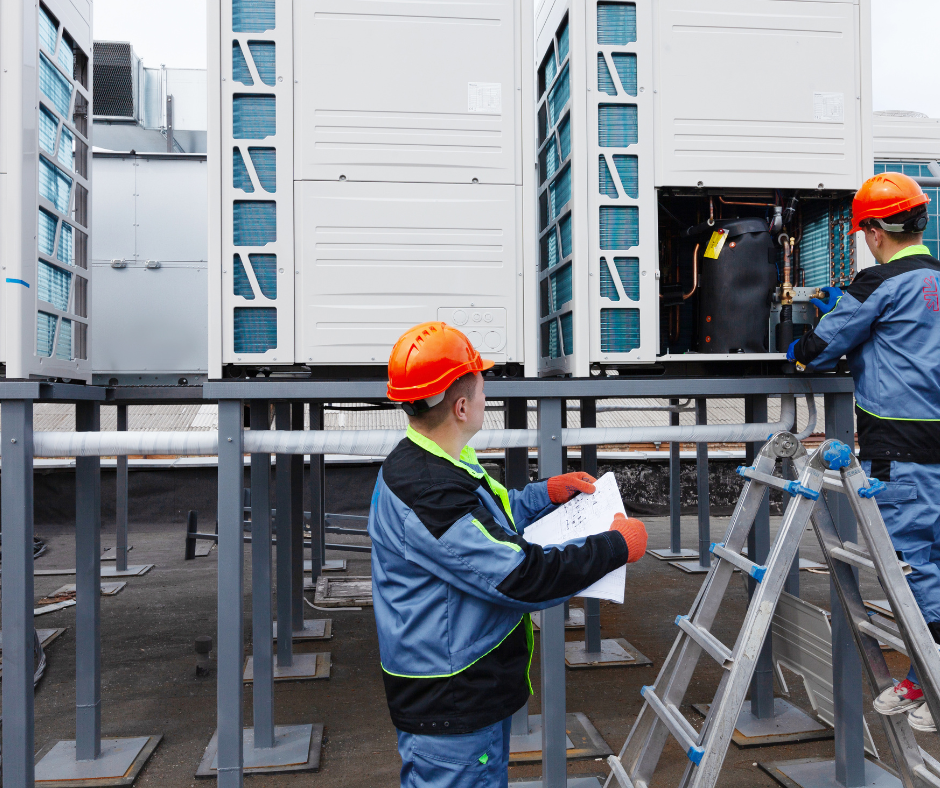
Real-World Example: Established HVAC / Mechanical Services Company
Bridge Business Brokers is currently representing an established HVAC and mechanical services company in Edmonton. This business offers strong recurring service contracts, a trained team, and a well-earned reputation in the market—ideal conditions for a buyer who wants to step into a well-run operation. The listing demonstrates exactly why thorough due diligence makes all the difference in HVAC acquisitions.
How Bridge Guides Buyers Through HVAC-Specific Due Diligence
From reviewing contracts and financials to helping assess warranty risk and seasonal cash flow, Bridge Business Brokers supports buyers with HVAC-specific insights. We ensure nothing gets missed, and every step is taken to protect your investment and position you for long-term success.
Stay Cool Under Pressure with a Solid Plan
Buying an HVAC or mechanical business isn’t just about making an offer, it’s about making an informed decision. Due diligence gives you the full picture of contract strength, warranty risk, inventory health, and seasonal cash flow. When done right, it protects your investment and helps set you up for long-term success. If you’re ready to explore opportunities in Edmonton’s HVAC sector, our team at Bridge Business Brokers is here to walk you through every step from first look to final handshake. Reach out today to learn more about the HVAC and mechanical services company we currently have available and see if it’s the right fit for your goals.