


A Business Broker’s Guide to Transportation Company Acquisitions
Posted by Bridge Business Brokers on 1st Mar 2026

Acquiring a transportation or trucking company comes with a unique set of moving parts—literally and figuratively. From evaluating vehicle condition and reviewing route contracts to ensuring compliance with national and provincial regulations, the logistics industry presents a layered acquisition process. For buyers in Edmonton and across Alberta, working with a knowledgeable business broker can be the difference between a smooth transition and an expensive learning curve.
One example of a well-prepared acquisition opportunity is Bridge Business Brokers’ specialty chemical trucking company for sale. It’s a strong case study in how proper preparation, documentation, and deal support make the buying process clearer and more successful. If you're considering a logistics acquisition in Canada, connect with us to learn how we can guide you every step of the way.
The Role of a Business Broker in Transportation Acquisitions in Edmonton
Why Work with a Business Broker for Logistics Acquisitions in Canada
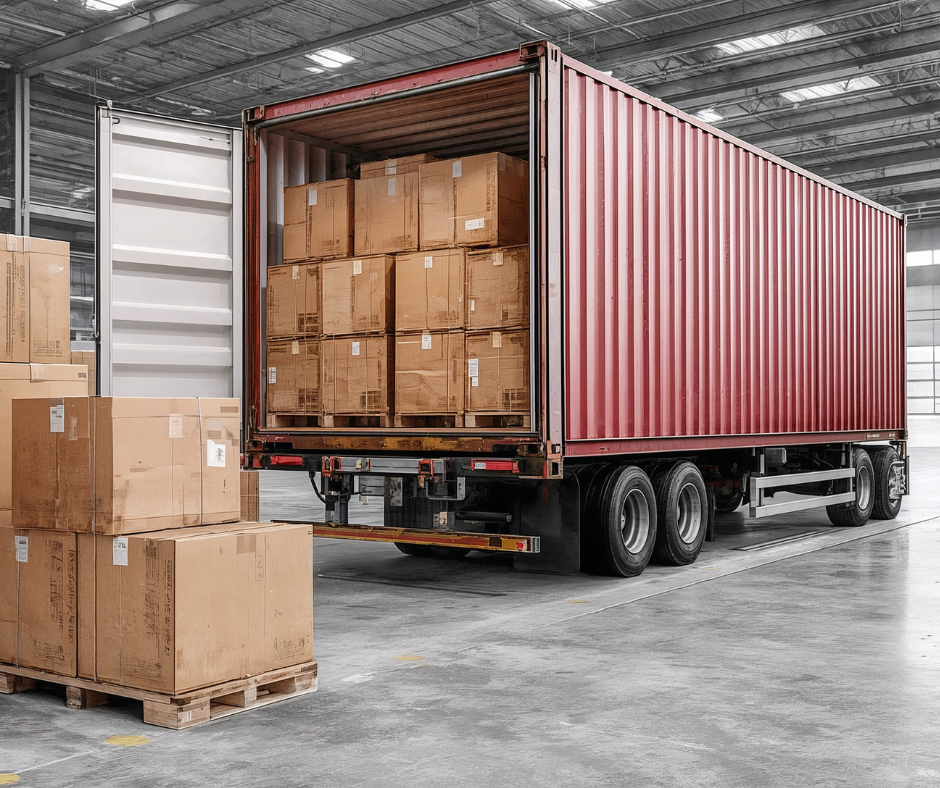
Transportation acquisitions require a tailored approach. A business broker brings industry-specific expertise to the table—handling trucking company valuation, fleet due diligence, contract reviews, and deal structuring. From identifying red flags to streamlining negotiations, brokers ensure that buyers understand exactly what they’re purchasing and how to maximize value from day one.
Edmonton’s Growing Transportation and Trucking Market
Edmonton plays a key role in Alberta’s freight and logistics network. With demand growing for chemical hauling, industrial deliveries, and regional distribution, the city has become a hub for transportation businesses. For buyers, this means opportunities—but also competition. A business broker who understands the local market can help you assess which companies have staying power and which might struggle post-sale.
Understanding Trucking Company Valuation in Edmonton

Assessing Fleet Age, Condition, and Replacement Value
Fleet health is a core part of trucking company valuation. Buyers should look at vehicle age, maintenance history, and replacement schedules. Are the trucks leased or owned? Are they up-to-date on inspections and compliant with safety regulations? A business broker can help you interpret these records and understand how they impact both short-term operations and long-term capital planning.
Reviewing Revenue Streams and Route Contracts
Stable, long-term route contracts and reliable client relationships significantly boost the value of a transportation business. During valuation, it’s important to assess not just how much revenue is coming in, but how secure that revenue is. Are key contracts set to renew? Are any tied to specific drivers or conditions? Your broker can help you evaluate contract strength and identify any areas of risk.
Evaluating Operational Efficiency and Profit Margins
Strong topline revenue doesn’t always mean a profitable business. Evaluating operational efficiency is crucial. Key indicators include cost-per-mile, driver-to-truck ratios, route optimization, and fuel management. These factors directly impact margins and can either strengthen or weaken the overall valuation. A business broker helps ensure you're looking beyond surface numbers to understand real profitability.
Fleet Due Diligence: What Buyers Must Examine Before Closing
Inspecting Vehicle Maintenance and Safety Compliance Records
During fleet due diligence, buyers should closely review vehicle maintenance logs, inspection histories, and any recent repair work. A history of deferred maintenance or inconsistent recordkeeping can signal hidden costs down the road. Compliance with federal and provincial safety standards is also critical, especially in industries like chemical transportation.
Verifying Licensing, Insurance, and Regulatory Compliance
A transportation company must meet strict requirements to operate legally in Canada. This includes Commercial Vehicle Operator’s Registration (CVOR), Hours of Service (HOS) tracking, insurance certificates, and environmental permits. Your broker will help verify that these documents are current, transferable, and aligned with industry standards.
Confirming Equipment Ownership and Financing Details
Not all trucks on the lot may be owned outright. It’s essential to review lease agreements, outstanding loans, and liens associated with fleet equipment. Knowing what’s owned vs. financed affects both the valuation and how the deal is structured. A business broker ensures these details are fully disclosed and negotiated upfront.
Addressing Human and Contractual Factors in Logistics Acquisitions
Retaining Experienced Drivers and Mechanics
Driver retention is one of the biggest post-acquisition challenges in the trucking industry. A solid plan to retain key team members—especially experienced drivers and mechanics—can protect operations and client relationships during the transition. Brokers often advise offering retention bonuses or creating onboarding plans to support continuity.
Reviewing Customer and Carrier Agreements
As part of your due diligence, all customer and carrier contracts should be reviewed. Are there exclusivity clauses? Volume guarantees? Pricing structures that could shift with new ownership? Understanding these agreements ensures you’re not walking into any surprises post-close.
Managing Rebranding and Communication During Transition
How you handle communication during a business acquisition has a big impact on employee morale and client trust. A business broker can guide you on when and how to announce the transition, manage branding changes, and keep operations running smoothly while relationships remain intact.
Financing and Structuring Transportation Company Acquisitions in Edmonton
Common Financing Options for Logistics Acquisitions in Canada
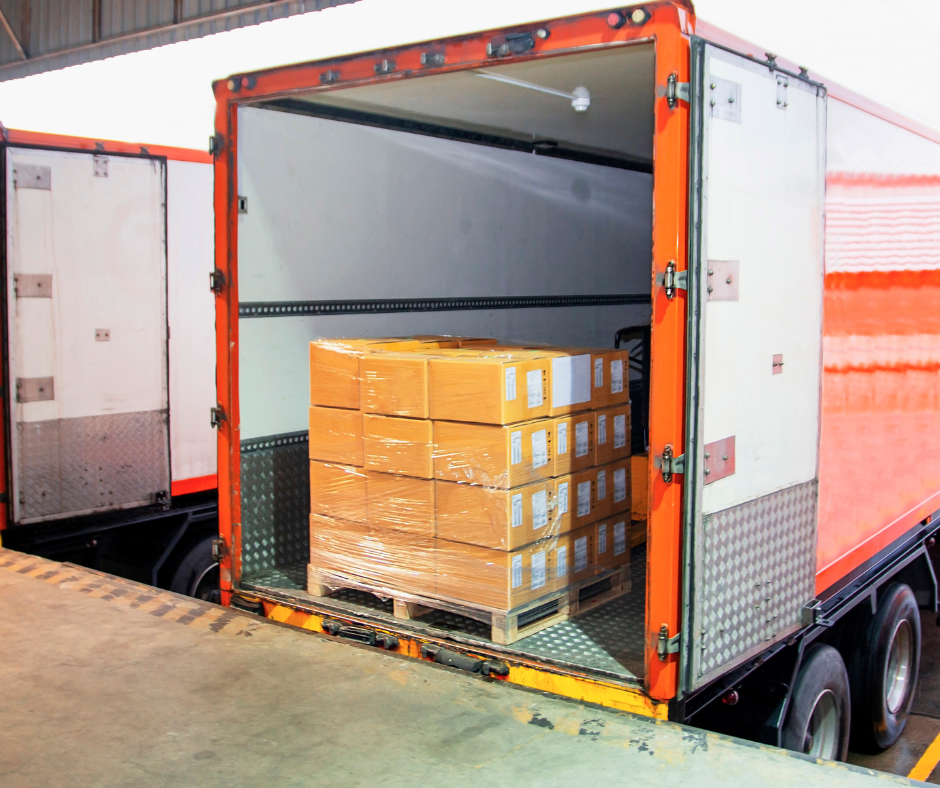
Transportation companies often qualify for a mix of financing options, including asset-based lending (secured against trucks and equipment), traditional business loans, and even vendor financing where the seller carries part of the deal. Your broker can help you explore the best fit for your budget and risk profile.
Deal Structuring to Minimize Risk and Maximize ROI
A well-structured deal balances protection and opportunity. Earnouts (where part of the sale price is tied to future performance), escrow agreements, and staged payments can reduce buyer risk. A business broker negotiates terms that reflect both the current state of the company and its potential under your ownership.
Bridge Business Brokers’ Expertise in Edmonton Transportation Sales
Featured Listing: Specialty Chemical Trucking Company for Sale
Bridge Business Brokers is currently representing a specialty chemical trucking company for sale—an example of a profitable, safety-certified, and well-documented operation. This listing includes established clients, a trained team, and a clean compliance record, making it a strong opportunity for buyers seeking a foothold in a niche segment of the logistics sector.
How Bridge Guides Buyers Through Every Step of the Acquisition
Our team provides detailed trucking company valuation services, facilitates fleet due diligence, and supports contract reviews, regulatory checks, and transition planning. Whether you’re a first-time buyer or expanding your logistics portfolio, we’re here to ensure your acquisition is informed, structured, and built for long-term success.
Make Your Move with Confidence in Alberta’s Logistics Sector

Transportation acquisitions don’t leave much room for guesswork—but with a business broker by your side, you don’t have to go it alone. From evaluating fleet health and contract strength to navigating licensing and financing, we help you understand every detail that matters. Explore our transportation listings today, including the specialty chemical trucking company now available, and reach out to Bridge Business Brokers to start the conversation.